Solo Travel in the USA: Everything You Need to Know
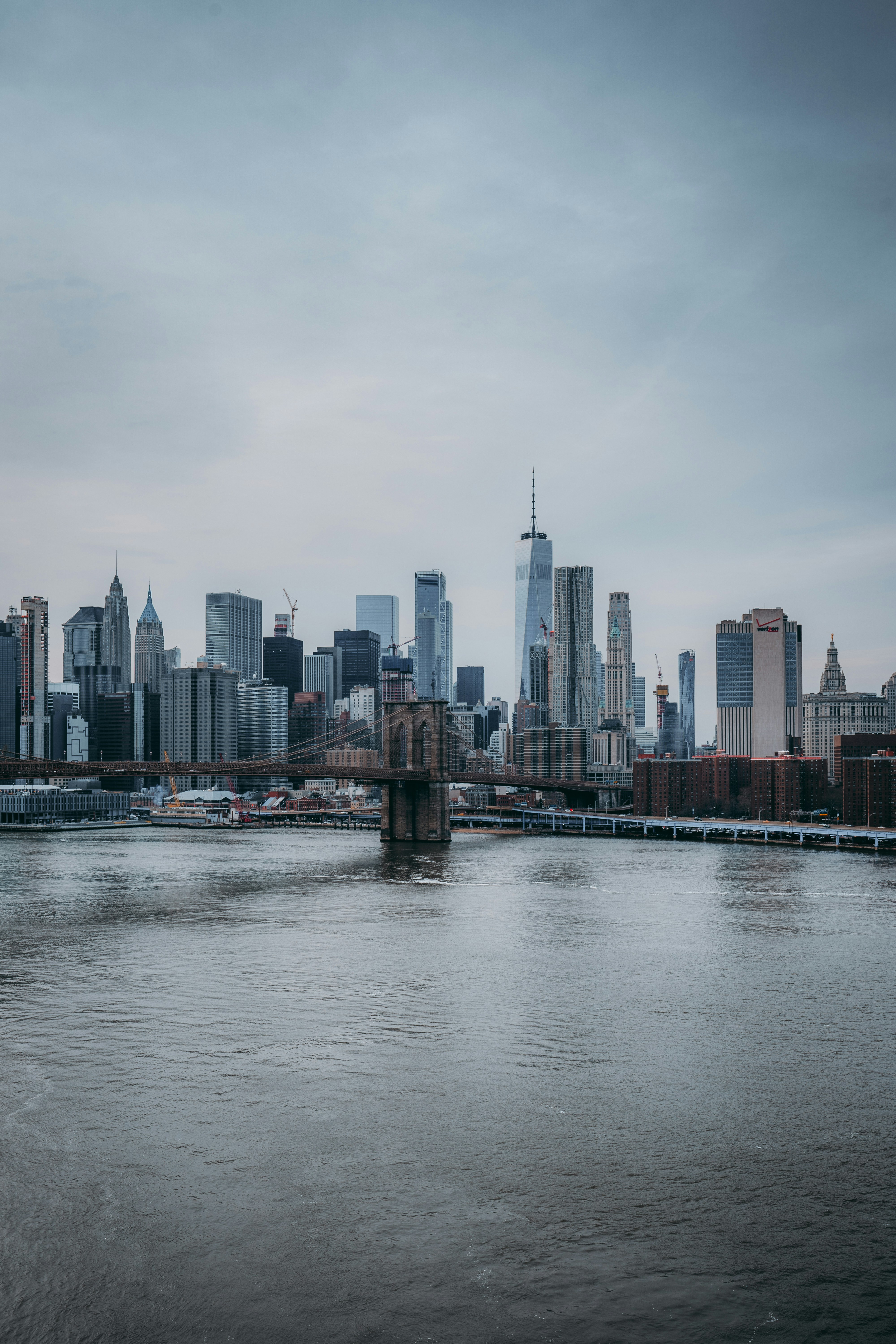
The USA is one of the world’s most developed solo travel destinations. The infrastructure is extensive, English removes the language barrier for most visitors, the country has an entire cultural tradition built around solo road trips, and the sheer variety — skyscrapers, deserts, national parks, beach cities, music cities — means the trip you want almost certainly exists here. This guide covers the practical reality of travelling the USA alone.
Is the USA Good for Solo Travel?
Straightforwardly, yes. The USA has an exceptionally well-developed solo travel infrastructure across every travel style. Cities like New York, Chicago, and San Francisco have dense hostel networks, active group tour scenes, and communities built around meeting strangers. The national park system — 63 parks covering 84 million acres — is designed for individual access, with campgrounds, guided ranger programmes, and a long-established culture of road-tripping alone.
The solo road trip is a cultural institution here. Route 66, the Pacific Coast Highway, the Blue Ridge Parkway — these routes were built for exactly this kind of travel. Domestic flights are cheap (often $60–150 one-way between major cities), and Amtrak’s long-distance routes, while slow, are genuinely scenic and social.
Language is not a barrier for English speakers. In cities with large Spanish-speaking populations — Los Angeles, Miami, San Antonio — basic Spanish is useful but never required.
Safety for Solo Travellers
Safety in the USA varies significantly by city and by neighbourhood within a city — perhaps more so than in comparable wealthy countries. Gun crime is a reality, and firearm-related incidents are more common than in Western Europe or Australia. That said, tourist areas in major cities are very safe and well-policed, and the vast majority of visitors have no safety incidents.
City-by-city reality:
- New York City — Midtown, lower Manhattan, Brooklyn (most neighbourhoods), Queens tourist areas: very safe. Avoid walking alone late at night in parts of the South Bronx or East New York (Brooklyn) without local knowledge.
- San Francisco — Union Square, Fisherman’s Wharf, Nob Hill, the Mission: safe. The Tenderloin district has a visible street drug and homelessness crisis; fine during the day, exercise caution at night.
- Chicago — The Loop, Lincoln Park, Wicker Park, River North: very safe. The South and West Sides have neighbourhoods with high crime rates; stay in the tourist corridor and check a current neighbourhood map before venturing out.
- New Orleans — The French Quarter and Garden District: generally safe, particularly during daylight and early evening. Late-night solo walking in quieter streets requires more awareness; stick to well-lit, busy areas.
- Los Angeles — Santa Monica, West Hollywood, Silver Lake, downtown arts district: safe. Skid Row, directly east of downtown, has a severe homelessness and crime concentration; do not wander into it unintentionally.
Healthcare is the biggest practical risk. The USA has no universal health coverage. An emergency room visit for something minor can cost $2,000–5,000 without insurance; a hospital admission for a serious condition can run $50,000–150,000. Travel insurance with at minimum $500,000 medical evacuation cover is not optional.
Solo Female Travel in the USA
On a global scale, the USA ranks very high for solo female safety. Major tourist cities have strong infrastructure, public transport systems (in NYC, Chicago, Washington DC, Boston, San Francisco) that operate late, and a well-established hostel and group tour culture where solo female travel is completely normal.
Standard urban precautions apply: be conscious of surroundings at night, avoid poorly lit areas alone after midnight, keep your phone charged and your location shared with someone back home. Most solo female travellers report the USA as one of their most comfortable destinations.
The healthcare cost risk applies equally — insurance is essential.
How to Meet People in the USA
The USA has some of the best infrastructure in the world for meeting people as a solo traveller.
- Meetup.com — invented in the USA and enormous here. Every city has hundreds of active groups: hiking clubs, language exchanges, board game nights, professional networking, photography walks, running clubs. Search by city and interest at meetup.com — this is the single most effective tool for meeting locals with shared interests.
- Facebook groups — “Solo Travelers USA” and city-specific groups (NYC Solo Travelers, Solo in San Francisco, etc.) regularly post meetup threads, ask-for-advice posts, and informal social gatherings.
- Hostel culture — HI New York (Upper West Side, from approximately $60/night as of 2026), HI Chicago (near Millennium Park, from approximately $45/night), and San Francisco’s HI Fisherman’s Wharf (from approximately $55/night) all have strong social scenes: shared kitchens, common rooms, organised events, pub crawls. Budget travellers and international visitors cluster here.
- REI Co-op adventure groups — REI, the outdoor retailer, organises guided hiking, kayaking, and cycling day trips open to non-members in most major cities. A day hike typically runs approximately $60–120 including guide and gear. Excellent way to meet outdoorsy Americans. Check events at rei.com/events.
- Digital nomad communities — Austin has a dense coworking and nomad event scene (Nomad List rates it consistently in the top 10 US cities for remote workers). San Francisco’s Noisebridge hacker space hosts open events. NYC has numerous WeWork community events open to non-members.
- National park campground culture — shared campfire rings, communal bathrooms, and natural proximity create easy conversation at campgrounds in Yosemite, the Grand Canyon, and Yellowstone. Solo campers commonly join neighbouring fire rings.
- Local subreddits — r/nyc, r/chicago, r/sanfrancisco, r/LosAngeles, and similar city subreddits regularly post social meetup threads. Search “meetup” or “social” within the subreddit.
- Bar trivia nights — widespread across the country, held weekly at most bars. Teams regularly welcome strangers to fill out their group. Ask the host if you can join a team.
Best Bases for Solo Travellers
New York City is the most logical entry point for many solo travellers — dense public transport, walkable neighbourhoods, an enormous range of budget options, and more activities per square mile than anywhere else in the country. The hostel network is strong, and the scale of the city means you can find your specific subculture within hours.
New Orleans works exceptionally well for solo travel. The city is compact and walkable, the culture is genuinely sociable, locals talk to strangers readily, and the food and music scenes are concentrated in accessible areas. It’s one of the few US cities where solo dining rarely feels uncomfortable.
San Francisco suits solo travellers who want a mix of urban culture and outdoor access — day trips to Muir Woods, Napa, and Point Reyes are straightforward by car or organised tour. The city itself is small enough to navigate easily.
National parks represent a different kind of solo trip — less urban socialising, more landscape and independence. Yellowstone, the Grand Canyon, Zion, and Yosemite each reward multiple days of solo exploration. Book accommodation and camping permits well in advance (often months ahead for peak season).
Group Tours Worth Taking
Joining a guided tour is one of the most efficient ways to meet other travellers and cover major sights without logistical overhead. Strong options include:
- New York City food tours of Greenwich Village or Chinatown — typically 3 hours, approximately $75–100/person
- Grand Canyon South Rim guided day tours from Las Vegas or Phoenix — all transport handled, approximately $100–180/person
- Yellowstone wildlife and geyser tours — half-day and full-day guided tours departing from Jackson Hole or West Yellowstone, approximately $80–150/person
Browse the full range of tours and activities across the USA on GetYourGuide.
Practical Solo Tips
Budget: Costs vary enormously by region. In New York City or San Francisco, budget solo travellers typically spend approximately $130–160/day (hostel dorm, grocery meals, transit). In New Orleans, Nashville, or most of the Southeast, $80–120/day is achievable on a similar standard. A mid-range budget — private hotel, restaurant meals, one paid attraction — runs $200–280/day in major coastal cities.
Getting around: A rental car is essential outside the main coastal cities. Most of the country — including national parks, smaller cities, and the entire South and Midwest — is functionally inaccessible without one. Book in advance; rates start around $40–70/day for a compact, rising significantly during summer and holidays. Check whether your credit card provides rental car collision coverage before paying the rental company’s insurance fee.
Tipping: Not optional. Tip 18–20% at restaurants and bars, 15–20% on rideshare, $2–5/night for hotel housekeeping. Solo travellers sometimes skip housekeeping tips — don’t.
Amtrak: Slow and unreliable for time-sensitive travel, but the California Zephyr (Chicago to San Francisco), Empire Builder (Chicago to Seattle), and Coast Starlight (Los Angeles to Seattle) are scenic routes worth considering if you have flexibility. Book a sleeper cabin for long overnight routes — the lounge car is one of the better places on any train to meet fellow travellers.
Healthcare: Carry your insurance documents and the emergency line number at all times. In a medical emergency, call 911. For non-emergency issues, Urgent Care clinics are far cheaper than emergency rooms — a typical visit runs approximately $150–250 without insurance.
Best Time to Go Solo
There is no single best time — it depends heavily on where you’re going.
- New York City: Year-round. Avoid the peak heat of July–August if you plan to walk extensively. December has Christmas markets and ice rinks; October and November have excellent weather and thinner crowds.
- National parks (Yellowstone, Grand Canyon, Yosemite): May through September for full access; July–August is peak crowd season. Late May and September offer the best combination of good weather and manageable numbers.
- New Orleans: October through April. July and August are extremely hot and humid (frequently 35°C+) and mark the peak of hurricane season.
- Chicago: May, June, September, and October. July and August are festival season (Lollapalooza, Chicago Jazz Festival) but also very busy and hot. January–February is bitterly cold.
- National parks in the Southwest (Zion, Bryce, Arches): March–May and September–October. Summer temperatures in canyon country regularly exceed 40°C.
Frequently Asked Questions
- Is the USA safe for solo travellers?
- Yes — major tourist areas in cities like New York, San Francisco, Chicago, and New Orleans are very safe for solo travellers. As with any large country, safety varies significantly by neighbourhood. Research specific areas before you go, and follow standard urban precautions at night. Travel insurance with comprehensive medical cover is essential given the high cost of US healthcare.
- Is the USA good for solo female travel?
- The USA is generally considered very safe for solo female travellers on a global scale. Major cities have well-developed tourist infrastructure, plenty of lit public spaces, and strong hostel and group tour communities. Standard precautions apply — stick to well-trafficked areas at night, share your itinerary with someone at home, and trust your instincts. Having travel insurance is non-negotiable given emergency healthcare costs.
- How much does solo travel in the USA cost per day?
- Budget varies enormously by region. In New York City or San Francisco, budget travellers typically spend approximately $130–160/day (hostel dorm, grocery meals, public transit). In New Orleans, Nashville, or the Southeast you can manage $80–120/day on a similar budget. A mid-range solo trip — private hotel room, sit-down meals, one paid attraction — runs $200–280/day in major coastal cities and $140–200/day inland.