US National Parks Add $100 Fee for Non-Resident Visitors
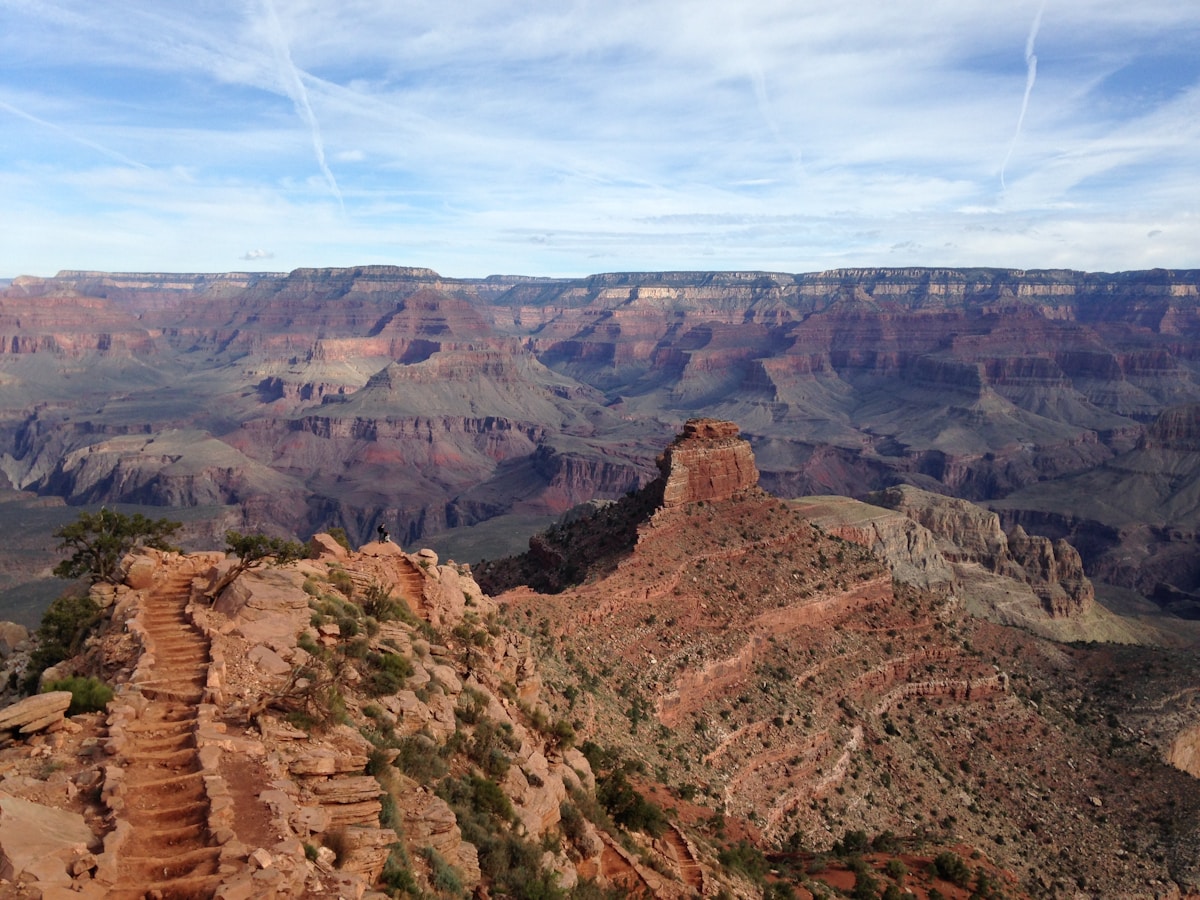
The National Park Service has introduced a $100 per-person surcharge for non-US residents entering 11 of America’s most-visited national parks in 2026. The fee applies to visitors aged 16 and over who do not hold an America the Beautiful annual pass, and is charged on top of the standard entrance fee already in place at each park.
The surcharge targets the parks experiencing the highest visitor pressure — among them Grand Canyon, Yellowstone, Yosemite, and Zion — and reflects a broader effort to manage overtourism at flagship destinations while funding infrastructure improvements. US residents are not subject to the $100 non-resident levy and continue to pay the standard entrance fees, which vary by park and vehicle type.
The America the Beautiful pass
The most cost-effective option for international visitors planning to see multiple parks is the America the Beautiful annual pass, now priced at $250 for non-residents. The pass covers entrance fees — including the non-resident surcharge — at more than 2,000 federal recreation sites for 12 months from purchase date. For anyone visiting three or more of the affected parks, the pass pays for itself. It is available online through Recreation.gov or at park entrance stations.
For visitors focused on one specific park, calculating whether the $100 surcharge plus individual entrance fee exceeds $250 will determine which option is better value.
Fully digital passes in 2026
America the Beautiful passes have moved fully digital in 2026. Passholders purchase and store their pass through Recreation.gov, displaying it on a mobile device at entry. This removes the need to wait for a physical card to arrive by post before your trip — useful for travellers planning close to their departure date.
Planning your parks trip
June is one of the most rewarding months to visit the parks, with maximum daylight hours and most trails fully accessible. Rocky Mountain National Park, Glacier, and Olympic all offer excellent conditions this month, and all are among those subject to the revised entry structure. Our national parks 14-day itinerary covers a route through the Southwest and intermountain West that takes in several of the flagship parks.
For those combining parks with city time, Denver functions as the natural base for Rocky Mountain National Park (about 90 minutes by road) and connects easily to Arches and Canyonlands in Utah via a southward road trip. Our hiking USA guide and camping in national parks guide cover practical logistics for both day-use and multi-night visits.