Rocky Mountain National Park: Visitor Guide
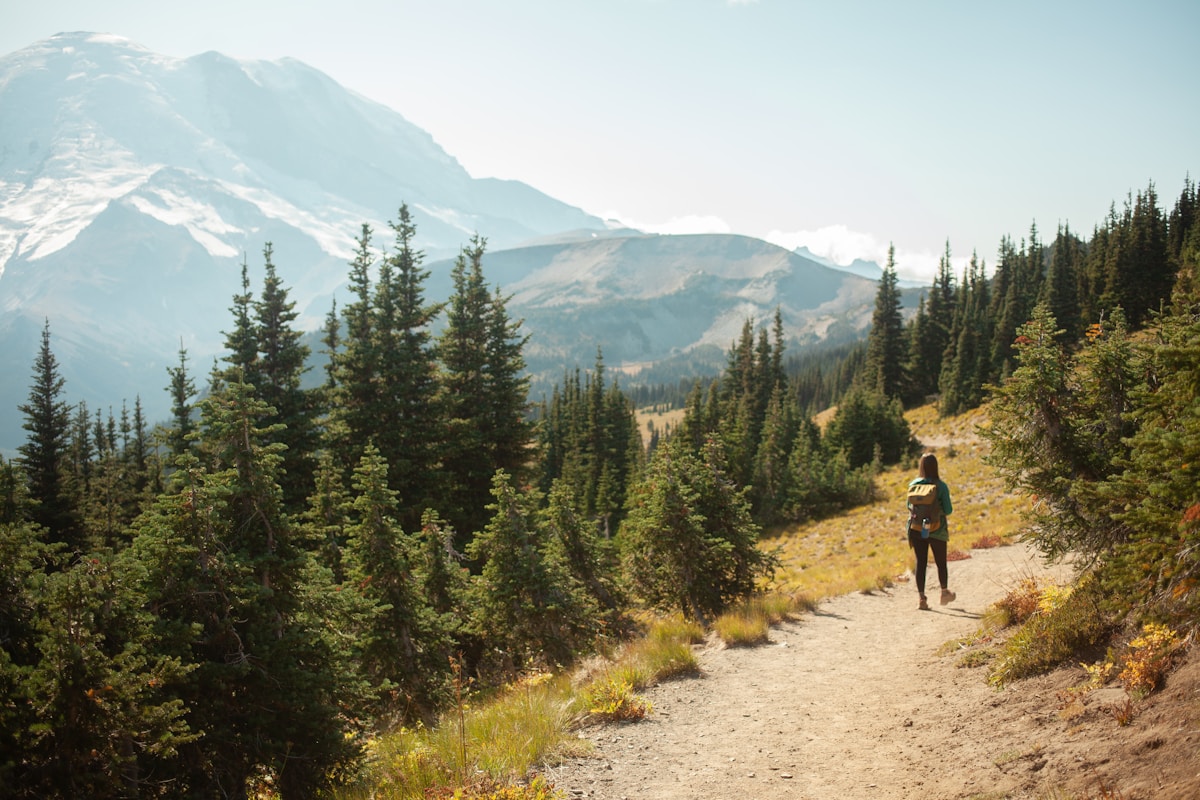
Rocky Mountain National Park sits at the heart of the Colorado Rockies, straddling the Continental Divide at an average elevation of 11,000 feet. Trail Ridge Road — at 12,183 feet the highest continuous paved road in the United States — crosses the park from Estes Park on the east to Grand Lake on the west, crossing 11 miles of treeless alpine tundra. More than 350 miles of trails range from subalpine meadows to 14,000-foot peaks.
Entry Fees and Passes
Entry costs approximately $35 per vehicle as of 2026 (valid for seven days, covers all occupants). Motorcycles pay approximately $30; individuals on foot or bicycle pay approximately $20. The America the Beautiful annual pass ($80) covers entry.
Timed entry reservations are required from late May through mid-October. Two reservation windows exist:
- 5am–9am entry window: Approximately $2, required to enter before 9am. Released in rolling batches via recreation.gov.
- 9am–2pm entry window: Approximately $2, released separately.
- No reservation needed for arrival between 2pm–6am or outside the peak season.
When to Visit
Late June through August: All roads and trails accessible. Trail Ridge Road is fully open (typically late May/early June through mid-October). Wildflowers peak in July in the alpine meadows. Summer afternoons bring lightning storms — start high-elevation hikes at dawn and descend by noon.
September through mid-October (Elk Rut): Our top recommendation. The elk rut (September–October) fills Horseshoe Park, Moraine Park, and meadows near the Beaver Ponds with bugling bull elk. Crowds thin after Labor Day but not by much in September. Peak foliage is mid- to late September.
November through April: Trail Ridge Road closes (usually by mid-October). The Bear Lake corridor stays accessible via Bear Lake Road (plowed). Snowshoeing, backcountry skiing. Elk and bighorn sheep are highly visible near lower-elevation trailheads. Very few visitors. Temperatures at Bear Lake reach -20°F in winter nights.
May: Shoulder season. Lower trails open. Trail Ridge Road opens progressively — snow can fall at any elevation through May.
Getting There
From Denver, CO (71 miles to Estes Park / East Entrance, approximately 1.5 hours via US-36 W): The primary approach. Denver International Airport (DEN) has the widest national flight selection. Car rental from approximately $50/day. Several shuttle companies run from Denver to Estes Park (approximately $45–65 one way), but a car is needed once inside the park.
From Fort Collins, CO (49 miles, approximately 1 hour via US-34 W): Closer alternative city. Smaller airport (FNL) with limited service.
From Grand Lake, CO (access to the West Entrance): 100 miles from Denver via I-70 W and US-40 N and US-34 N (approximately 2 hours). The west side is significantly quieter than the Estes Park approach.
Must-See Trails and Attractions
Bear Lake and Emerald Lake Trail — From the Bear Lake trailhead: Nymph Lake (0.9 miles round trip, easy, 30 minutes), Dream Lake (2.2 miles round trip, easy-moderate, 1–1.5 hours), and Emerald Lake (3.6 miles round trip, moderate, 2–2.5 hours). All pass through spruce-fir forest and open at stunning alpine cirque lakes beneath 13,000-foot peaks. Among the most-walked trails in the US national park system.
Sky Pond via Glacier Gorge — 9 miles round trip (strenuous, 5–6 hours) with 1,700 ft gain. Passes Alberta Falls (0.8 miles from trailhead, one of the park’s most visited waterfalls), The Loch, Timberline Falls, and Glass Lake before reaching Sky Pond at 10,900 ft. Includes a scramble up wet rock beside Timberline Falls.
Trail Ridge Road — Drive or cycle the 48-mile road across the Continental Divide. Stop at the Alpine Visitor Center (12,183 ft) for tundra walks. The 0.5-mile Tundra Communities Trail (easy, 30 minutes) explains the fragile alpine ecosystem; stay on the paved path — tundra plants take 100 years to recover from a footstep.
Chasm Lake — 8.4 miles round trip (strenuous, 4–5 hours) beneath the east face of Longs Peak. The lake sits in a glacier-carved cirque below the Diamond — the 900-foot vertical face of the peak. No permit needed; the optional Longs Peak summit (above Chasm Lake) does require early-morning planning and mountaineering experience.
Longs Peak Summit — At 14,259 ft, the only Fourteener (14,000+ ft peak) in the park. 15 miles round trip (extremely strenuous, 12–15 hours) via the Keyhole Route from the Longs Peak Trailhead. Requires a midnight or 2am start to summit and descend before afternoon lightning. No permit needed but the NPS strongly discourages casual attempts — altitude sickness, rockfall, and lightning are serious risks. Reserve a campsite at Goblins Forest or Boulder Field for an overnight approach.
Horseshoe Park (Elk Rut Viewing) — Pull-off area on US-34, 3 miles from the Fall River Entrance. September–October, dawn and dusk, large elk herds gather here with bulls bugling. Stay in your car or at designated viewing areas — bull elk during rut are aggressive.
Permits
Timed entry reservations: Required late May through mid-October, approximately $2/vehicle, via recreation.gov. Book before travel — summer weekends sell out.
Bear Lake corridor timed entry: A separate reservation is sometimes required specifically for Bear Lake Road during peak times. Check current requirements on the NPS website before your visit.
Backcountry camping: Wilderness permits required for all overnight backcountry trips. Approximately 70% available by advance reservation (opens in early March via recreation.gov). Approximately $26 reservation fee per trip as of 2026. The remaining 30% available walk-up from the Backcountry Office in Estes Park. Popular zones (Boulder Field, Glacier Gorge, North Inlet) fill quickly — apply on the first day of the reservation window.
Longs Peak: No permit required for day hiking or overnight use at designated Longs Peak backcountry sites (permit required for the sites). Summit attempt is weather- and experience-dependent; register with a ranger at the Longs Peak Ranger Station the evening before.
Accommodation
In-park:
- No in-park hotel-style lodges. The YMCA of the Rockies and Estes Park resort properties are immediately adjacent.
Campgrounds (5 main campgrounds):
- Moraine Park Campground — 245 sites, open year-round. Reservations required April–October via recreation.gov, approximately $30/night. One of the most elk-rich locations in the park.
- Glacier Basin Campground — 150 sites, open June–September, approximately $30/night. Group sites available.
- Aspenglen Campground — 52 sites near Fall River Entrance, approximately $30/night.
Estes Park, CO (2 miles from East Entrance):
- The primary gateway town. Full range of accommodation:
- Stanley Hotel — Historic 1909 hotel that inspired Stephen King’s The Shining. Rooms from approximately $200/night; suites from $450/night.
- YMCA of the Rockies — Cabins and lodge rooms adjacent to the park boundary. Cabins from approximately $130/night; lodge rooms from approximately $100/night. Excellent family base.
- Chain hotels (Hampton Inn, Comfort Inn) from approximately $120–170/night in peak season.
Grand Lake, CO (west entrance side) — Small lake-side town with a quieter character. Lodges and cabins from approximately $120/night.
Packing and Preparation
- Altitude sickness: The park’s average elevation is 11,000 ft. Visitors coming from low elevation should spend at least one full day at Estes Park (7,522 ft) before ascending Trail Ridge Road or attempting strenuous hikes. Symptoms (headache, nausea, fatigue) typically appear 6–12 hours after arrival. Descend if they worsen.
- Lightning protocol: Colorado afternoon thunderstorms are among the most intense in the US. All high-elevation hikes must begin before 7am. If caught in a storm above tree line, do not stand under trees, move away from peaks and ridges, descend immediately.
- Layers: Trail Ridge Road temperatures can be below freezing with wind in summer. Pack a fleece and waterproof shell even on sunny June mornings.
- Sun protection: UV intensity at 12,000 ft is approximately double sea-level intensity. SPF 50+, UV-blocking sunglasses, and a hat are essential.
- Bear awareness: Black bears are active throughout the park, particularly in the Glacier Basin and Wild Basin areas in summer. Food storage regulations apply at all campgrounds.
- Elk rut safety: September–October bulls are unpredictable and will charge. The NPS requires 75-foot minimum distance from elk. Never position yourself between a cow and her calf.
Book an experience
National Park in the area
Instant confirmation · Free cancellation on most bookings