Hawaiʻi Volcanoes National Park: Visitor Guide
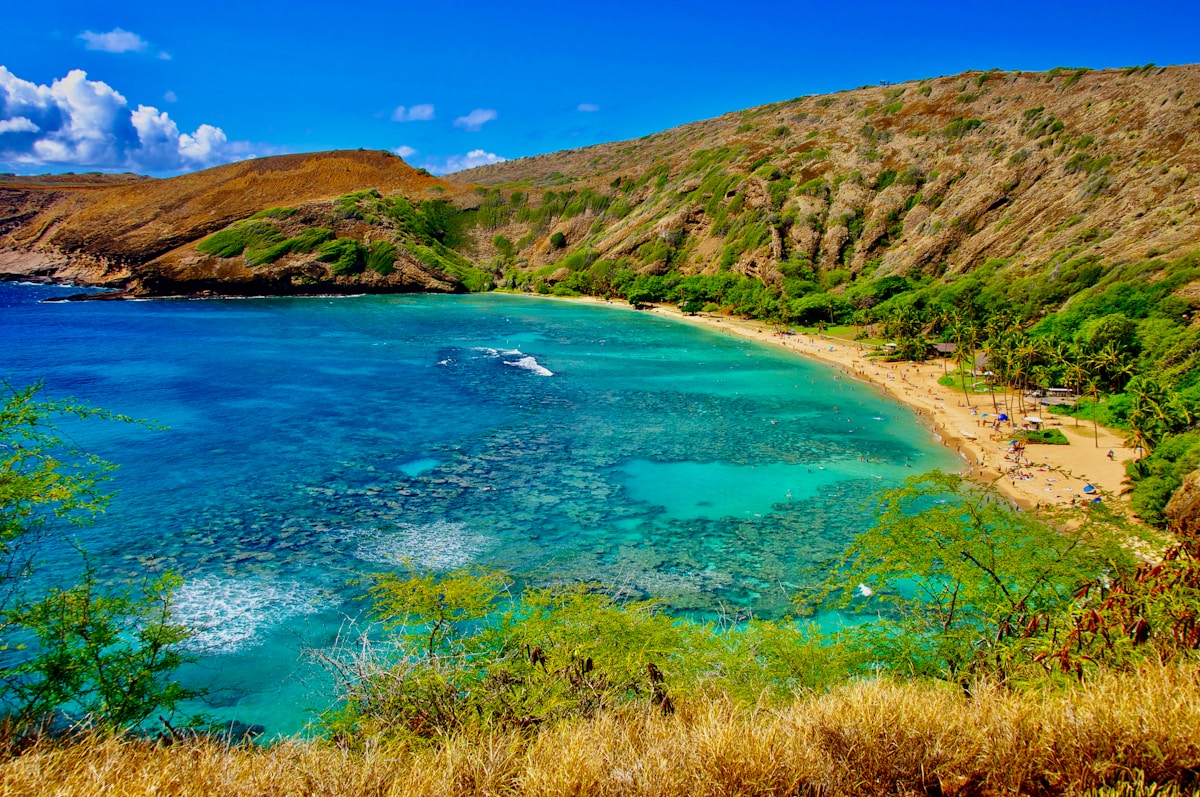
Hawaiʻi Volcanoes National Park protects two active volcanoes: Kīlauea, one of the most continuously active volcanoes on Earth, and Mauna Loa, the world’s largest volcano by total volume. The park ranges from sea level to 13,677 feet and contains 10 distinct ecological zones, from coastal desert to alpine tundra. Volcanic activity here is ongoing — conditions change without notice, and the landscape visitors see today may be materially different from what existed a month ago.
Entry Fees and Passes
Entry costs approximately $30 per vehicle as of 2026 (valid for seven days, covers all occupants). Motorcycles pay approximately $25; individuals on foot or bicycle pay approximately $15. The America the Beautiful annual pass ($80) covers entry.
The park entrance at the Kīlauea Visitor Center (on HI-11, 29 miles from Hilo) is open 24 hours. The visitor center itself operates daily 9am–5pm. The park never closes to vehicle entry.
When to Visit
Year-round: Unlike most US national parks, Hawaiʻi Volcanoes has no bad season — the volcanic activity is the attraction regardless of time of year. The park sits on the wet (windward) side of the Big Island; the summit of Kīlauea receives about 100 inches of rain annually, and coastal areas are drier.
April through October: Drier conditions at the summit. Daytime temperatures at the rim of Kīlauea are a mild 65–75°F. Trade winds are most reliable.
November through March: Wetter months. The rainforest trails are lush and fog frequently fills the caldera in the morning. Night lava glow (if the lava lake is active) is more dramatic in the longer winter nights.
Eruption status: Kīlauea has had episodes of surface lava lake activity within Halemaʻumaʻu Crater. Whether an active lava lake is visible is unpredictable and changes month to month. Check the USGS Hawaiian Volcano Observatory (hvo.wr.usgs.gov) for current eruption status before your visit — it is updated daily.
Getting There
From Hilo, HI (29 miles, approximately 40 minutes via HI-11 S): The closest city and the primary base for the park. Hilo International Airport (ITO) has direct flights from Honolulu (approximately $50–100 one-way) and occasionally from the mainland. Car rental from approximately $50/day at the airport.
From Kailua-Kona, HI (97 miles, approximately 2.5 hours via HI-11 E around the south of the island or via HI-190/HI-11): The island’s tourist hub. Ellison Onizuka Kona International Airport (KOA) has more mainland flights (approximately $350–600 round trip from West Coast as of 2026). The two-hour drive around the south coast on the Kaū Desert highway is itself scenic.
From Honolulu (inter-island flight + car): Hawaiian Airlines and Southwest fly Honolulu–Hilo in approximately 50 minutes (from approximately $50–80 one-way). The Big Island is not reachable by ferry from other Hawaiian islands.
Must-See Trails and Attractions
Kīlauea Overlook and Halemaʻumaʻu Crater — The summit caldera of Kīlauea, 3 miles wide, containing Halemaʻumaʻu — the active vent. The overlook boardwalk at the Kīlauea Visitor Center provides direct views. When an active lava lake is present, the orange glow is visible from the overlook at night. The Crater Rim Trail circles the caldera (11 miles full loop, moderate, 4–5 hours). Sections may be closed due to volcanic gas (SO₂ and hydrochloric acid) — check current closures at the visitor center.
Devastation Trail — 1.8 miles round trip (easy, 45 minutes). Crosses a cinder field created by the 1959 Kīlauea Iki eruption, now slowly revegetating. Vivid contrast between bare pumice and returning ʻōhiʻa lehua shrubs.
Kīlauea Iki Trail — 4 miles loop (moderate, 2–3 hours). Descends 400 ft from the forested rim into the solidified lava lake of the 1959 eruption and crosses the glassy floor of the old magma chamber. Lava rock surface is uneven — sturdy shoes required. One of the park’s most memorable walks.
Chain of Craters Road — 18.8-mile road descending 3,700 ft from the caldera to the coast, passing multiple pit craters, lava benches, ancient petroglyphs (Pu’u Loa Petroglyph Site — 0.7 miles round trip, easy), and reaching the sea where older lava flows meet the Pacific. The road ended in 1996 when lava buried it; the overlook at the coast gives a view of hardened lava flowing to the ocean. Drive or cycle the full road — allow 2–3 hours round trip by car with stops.
Mauna Iki Trail (Kaū Desert) — 8 miles round trip (moderate-strenuous, 4–5 hours) across barren lava desert with cracked terrain and isolated vent cones. Very few visitors. Otherworldly landscape.
Mauna Loa Summit Trail — 15 miles one-way (extremely strenuous, 2–4 days) to the summit of Mauna Loa at 13,677 ft. Technical and remote — requires advance preparation and backcountry permits. Weather is severe. Not a casual hike.
Permits
Day hiking (all trails including Chain of Craters, Kīlauea Iki, Devastation) requires no permit beyond park entry.
Backcountry camping requires a backcountry permit, available free in person from the Backcountry Office at the visitor center. Permits issued up to one day in advance. The Mauna Loa Trail has designated cabins (Red Hill Cabin at 10,035 ft; Summit Cabin at 13,250 ft) available by reservation — apply via the NPS Backcountry Office.
Volcanic hazard closures: Sections of the park and specific trails may close with no advance notice due to eruptive activity, volcanic gas, or ground instability. Rangers update closures daily at the visitor center bulletin boards. Always check before starting a hike.
Accommodation
In-park:
- Volcano House — Historic hotel on the rim of Kīlauea Caldera, first opened in 1866. Rooms with crater views from approximately $280/night; standard rooms from approximately $220/night. Open year-round. Book at hawaiivolcanohouse.com. The Rim Restaurant serves dinner with caldera views — reservations strongly recommended.
Campgrounds:
- Nāmakanipaio Campground — 10 tent sites and cabins (approximately $80/night for cabins, approximately $15 for tent sites). Reservations via recreation.gov.
- Kulanaokuaiki Campground — First-come-first-served, 6 tent sites, free with park entry. Remote and quiet.
Volcano Village, HI (1.5 miles from the visitor center entrance):
- Small rainforest village with B&Bs and vacation rentals. Volcano Inn from approximately $110/night; Kilauea Lodge from approximately $175/night. Walking distance to the park entrance is a major advantage.
Hilo, HI (29 miles from the park):
- Full range of accommodation. Grand Naniloa Hotel (Doubletree by Hilton) from approximately $130/night on Hilo Bay; budget inns from approximately $70/night. Good restaurants, farmers market, and black-sand beach access.
Packing and Preparation
- Volcanic gas (vog and laze): Sulfur dioxide (SO₂) from the summit vent and hydrochloric acid (laze) from lava entering the sea are genuine health hazards. Visitors with respiratory conditions, heart conditions, or pregnant women should avoid the crater overlooks when gas emissions are elevated. Check the daily air quality advisory at the visitor center.
- Layers: Kīlauea summit is at 4,000 ft and can be cool (55–65°F in the day, colder at night) even when Kona is 85°F. The caldera rim is often windy. Pack a light jacket.
- Footwear: Hardened lava (pāhoehoe and ʻaʻā) is extremely sharp and uneven. Closed-toe sturdy shoes are required. Flip-flops are inappropriate on any lava trail.
- Hydration: The park’s dry sections (Chain of Craters Road, Kaū Desert) have no water sources. Carry at least 2 liters on any trail longer than 2 miles.
- Night viewing: If a lava lake is active, park rangers sometimes operate evening programs at the Jaggar Museum overlook area. Ask at the visitor center for current viewing opportunities. Bring a flashlight or headlamp — the caldera overlooks are not fully lit.
- Photography: Volcanic emissions create a persistent haze over the caldera. Early morning (before 8am) and late evening provide cleaner air and better light. A tripod is useful for night lava glow shots.
- Respect closures: The NPS closes crater areas without hesitation when conditions change. Never cross closure barriers — ground instability and toxic gas make violations life-threatening.
Book an experience
National Park in the area
Instant confirmation · Free cancellation on most bookings